
Selling your home in Calgary’s vibrant arts districts requires understanding that how long does a house sale take depends heavily on your neighborhood’s unique cultural character and buyer demographics. Expect a timeline ranging from 30 to 90 days in areas like Inglewood, Kensington, and East Village, though this varies significantly based on your property’s proximity to galleries, studios, and cultural venues.
Price your home strategically by researching recent comparable sales within a three-block radius of major arts landmarks, as buyers in these districts often pay premium prices for walkability to creative spaces and cultural programming. Properties within 500 meters of established galleries or performance venues typically sell 15-20% faster than those on the outskirts of arts neighborhoods.
Stage your space to highlight the artistic lifestyle by showcasing natural light, creative storage solutions, and connections to the local cultural scene through neighborhood photography or gallery event calendars. Buyers choosing arts districts aren’t just purchasing square footage; they’re investing in a creative community and lifestyle.
Partner with real estate agents who genuinely understand Calgary’s arts communities and maintain relationships with local artists, gallery owners, and cultural organizations. These connections often lead to off-market interest from buyers already embedded in or passionate about joining these distinctive neighborhoods, potentially shaving weeks off your selling timeline while securing better offers.
The Calgary Arts District Landscape: Where Culture Meets Real Estate
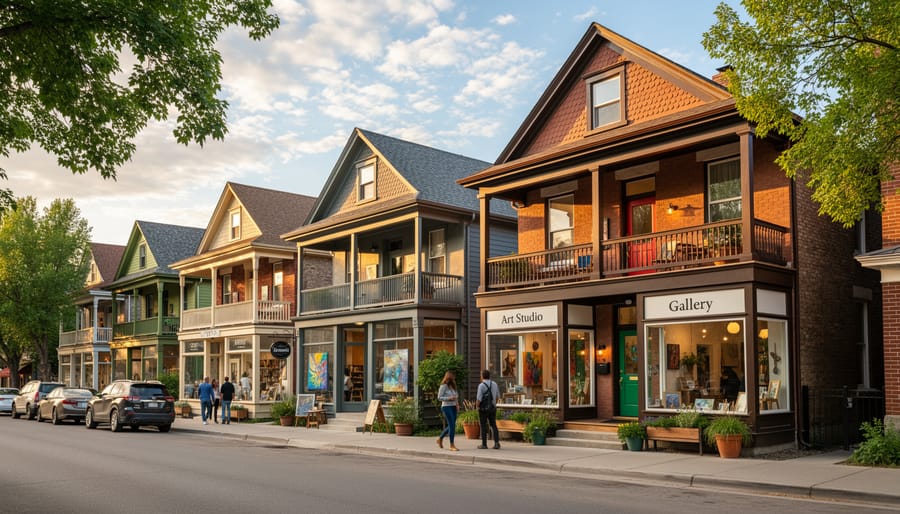
Inglewood: The Historic Creative Hub
Nestled along the Bow River, Inglewood stands as Calgary’s oldest and most charismatic neighbourhood, where century-old brick buildings house contemporary galleries, artisan studios, and eclectic boutiques. This creative enclave attracts buyers who value character over cookie-cutter designs, seeking homes with historic charm and proximity to cultural amenities. The housing landscape here is wonderfully diverse, featuring everything from renovated heritage cottages to modern infill developments that respect the area’s architectural heritage.
When it comes to selling timelines, Inglewood properties often follow a unique rhythm. The neighbourhood’s artistic reputation draws a specific buyer demographic who appreciate authenticity and are willing to wait for the right property. Heritage homes may require additional disclosure and inspection time, potentially extending sales by two to three weeks compared to newer builds. However, Inglewood’s walkability score and vibrant community events calendar create year-round interest, helping maintain steady market activity even during traditionally slower seasons. Properties showcasing original character features or artist-friendly spaces like garden studios tend to attract motivated buyers quickly, sometimes reducing standard timelines.
Kensington and East Village: Modern Cultural Centers
Kensington and East Village represent Calgary’s modern renaissance of creativity and urban living. Kensington’s eclectic mix of independent galleries, boutique studios, and vibrant street art creates an atmosphere that attracts culturally-minded buyers willing to invest premium prices for community character. The neighborhood’s walkability and artistic energy typically keep homes on the market for 25-35 days, though unique properties showcasing proximity to creative spaces often sell faster.
East Village has transformed dramatically, emerging as a contemporary cultural hub anchored by the National Music Centre and Studio Bell. This revitalized district appeals to younger professionals and arts patrons seeking modern condos with access to world-class cultural amenities. Properties here benefit from ongoing community development, with sales timelines averaging 30-40 days. Marketing homes in these areas works best when highlighting their connection to Calgary’s thriving contemporary arts scene, emphasizing walkability to galleries, performance venues, and creative community events that make everyday living feel extraordinary.
The Real Timeline: How Long Does It Actually Take?
From Listing to Offer: The Waiting Game
So you’ve listed your arts district gem—now comes the waiting game! In Calgary’s creative neighborhoods, the average time on market typically ranges from 30 to 60 days, though this can vary significantly based on several factors unique to these culturally vibrant communities.
Seasonal shifts play a fascinating role here. Spring and early summer tend to be the sweet spot, when gallery-hoppers and culture seekers are out exploring neighborhoods in full force. Homes listed between April and June often move faster, sometimes receiving offers within three weeks. Winter months can extend the timeline to 60-90 days, though passionate buyers who truly appreciate the arts scene don’t let a little snow slow them down.
What makes your property stand out in these creative enclaves? Proximity to galleries, studios, and performance venues can dramatically shorten your waiting period. A home within walking distance of popular cultural hotspots might attract offers quickly, especially if it features artist-friendly spaces like natural light-filled rooms or converted studio areas.
Conversely, several factors can extend your timeline. Unconventional layouts that work beautifully for artists might puzzle traditional buyers. Properties requiring significant updates—even charming vintage details—may need more time to find the right match. Pricing also matters enormously; overpricing in niche markets like arts districts can add weeks or months to your journey.
The good news? Buyers drawn to these neighborhoods tend to be deeply intentional, seeking community connection alongside square footage. When the right buyer discovers your property, the artistic appeal often inspires faster decision-making than in conventional markets.
Offer to Closing: Navigating the Final Stretch
Once your offer is accepted, the real adventure begins! In Calgary’s arts districts, the journey from offer to closing typically takes 30-60 days, though the creative character of these neighborhoods can add some delightful twists.
Home inspections usually happen within 7-10 days of acceptance. Here’s where things get interesting: heritage buildings and converted lofts may require specialized inspections. That charming exposed brick might need structural assessment, and industrial conversions often require additional environmental checks. Budget extra time and potentially $500-1000 more for these specialized evaluations.
The financing phase spans roughly 30-45 days. Lenders sometimes view arts district properties as unique, especially live-work spaces or buildings with mixed-use zoning. Your mortgage broker should understand the creative economy’s nuances—freelance artists and gallery owners have viable incomes, even if tax returns look unconventional. Be prepared with solid documentation of your financial situation.
Title searches and legal reviews take another 2-3 weeks. Arts district properties occasionally have easements related to public art installations or heritage designations that require extra scrutiny. Your lawyer will navigate these cultural quirks.
Potential complications? Studio conversions without proper permits, shared gallery spaces with complicated ownership structures, or properties with artist tenancy agreements. Address these proactively by requesting documentation early and maintaining open communication with all parties.
The closing day itself is standard across Calgary, but celebrating in your new arts district home? That’s where the magic truly begins. Welcome to the community!
Why Arts District Homes March to Their Own Beat
The Niche Buyer Pool
Selling in Calgary’s arts districts means connecting with a wonderfully specific audience. Your ideal buyers aren’t just looking for square footage—they’re seeking creative sanctuary and community connection. Artists, designers, musicians, and culture enthusiasts gravitate toward these neighborhoods because they offer something conventional suburbs can’t: authentic creative energy and walkable access to galleries, studios, and performance spaces.
This niche appeal can extend your timeline by two to four weeks compared to mainstream markets. Why? Your buyer pool is smaller but more discerning. These folks want to feel the neighborhood’s vibe before committing. They’ll attend local art walks, grab coffee at independent cafes, and envision themselves as part of the creative fabric. While this selectivity might test your patience, it ultimately works in your favor—buyers who fall for arts districts tend to fall hard, often leading to stronger offers and smoother negotiations.
Smart sellers embrace this dynamic by showcasing lifestyle alongside property. Highlight proximity to cultural venues, feature local artwork in staging, and share neighborhood stories that resonate with creative spirits. You’re not just selling a home; you’re offering membership in Calgary’s most vibrant cultural communities.
Character Homes and Renovation Realities
Here’s the reality that makes arts district homes so enchanting and occasionally challenging: those gorgeous heritage details and artist-renovated spaces often come with surprises. When you’re selling a character home in neighborhoods like Inglewood or Kensington, expect inspections to take longer and require more specialized expertise. That charming exposed brick might need structural assessment, while creative renovations—perhaps that artist’s studio addition or converted attic gallery—may require additional documentation to satisfy lenders.
Buyers financing these distinctive properties sometimes encounter mortgage complications when appraisers struggle to find comparable sales for truly unique homes. A property featuring custom artistic modifications might need extra appraisal time, potentially adding two to four weeks to your closing timeline. Heritage designation, while protecting the neighborhood’s character, introduces another layer of approval processes.
The good news? Being proactive helps tremendously. Gather renovation permits and maintenance records before listing, especially for any creative conversions. Consider pre-inspection to identify potential concerns early. Work with realtors experienced in arts district sales who understand how to position character homes effectively and navigate heritage property requirements. These professionals know how to highlight artistic features while addressing practical buyer concerns, keeping your timeline on track while celebrating what makes your home special.
The Cultural Premium: Pricing Challenges
Here’s the thing about selling a home in Calgary’s arts districts: you’re not just selling square footage and granite countertops. You’re selling proximity to creativity, walkable gallery nights, and that intangible vibe that makes these neighborhoods special. But how do you put a price tag on living two blocks from your favorite indie theatre?
This is where many sellers hit a snag. Overestimate that cultural premium, and your listing languishes while buyers scroll past. Undervalue it, and you’re leaving money on the table. The sweet spot requires understanding what today’s buyers actually value. Are they drawn to the established galleries of Inglewood, or the emerging creative spaces in the East Village?
Pricing misalignment is the number one reason arts district homes sit on the market longer than expected. A home priced 15-20 percent above comparable properties in neighboring areas might reflect your emotional connection to the community, but buyers need concrete justification. Work with realtors who truly understand these districts and can articulate the premium through comparable sales data, not just romantic notions. When pricing reflects genuine market appreciation for cultural amenities rather than wishful thinking, timelines compress dramatically.
Speeding Up Your Sale Without Losing the Arts District Magic
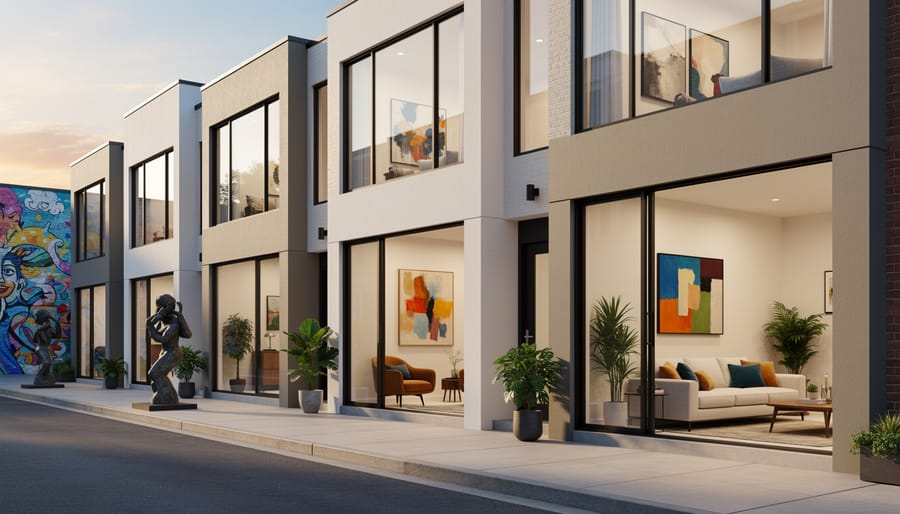
Staging for the Creative Soul
Your arts district home tells a story, and the right staging lets that narrative shine through to buyers who truly appreciate creative spaces. The key is balancing personal artistic expression with broad appeal—think gallery-worthy presentation rather than overwhelming maximalism.
Start by curating your displayed art pieces. Keep three to five standout works that represent the neighborhood’s creative spirit without dominating every wall. Local artwork particularly resonates with buyers seeking authentic arts district living. Remove highly personal or polarizing pieces temporarily—you want buyers imagining their own collection in the space.
Highlight architectural features that drew you to the neighborhood. Exposed brick, high ceilings, and abundant natural light are selling points worth emphasizing. Clear clutter from studio spaces or creative nooks, but leave just enough to suggest possibility—a clean easel, organized art supplies, or a small pottery wheel can spark imagination.
Consider the flow between spaces. Arts district buyers often appreciate open layouts conducive to entertaining fellow creatives or hosting intimate gallery viewings. Arrange furniture to showcase this flexibility while maintaining warmth and livability. Remember, you’re selling not just a home but entry into Calgary’s vibrant creative community.
Marketing to Art Lovers: Beyond Traditional Listings
Selling a home in Calgary’s arts districts opens up exciting possibilities beyond the standard MLS listing. Your potential buyers are already engaging with the creative community, so why not meet them where they are?
Consider hosting private viewings during gallery openings or coordinating with cultural events happening in your neighborhood. These gatherings naturally attract people who appreciate the creative lifestyle your home offers. You might even partner with local galleries to display promotional materials or beautiful photography of your space during their exhibitions.
Tap into arts community networks through social media groups, studio tour mailing lists, and artist collectives. Many buyers in arts districts discover their future homes through word-of-mouth recommendations from fellow creatives. Share your listing in neighborhood Facebook groups, Instagram stories featuring your home’s unique artistic details, and community bulletin boards at local cafes and studios.
Create a visual narrative that showcases how your home fits within the cultural fabric of the neighborhood. Professional photography highlighting proximity to murals, studios, and performance spaces tells a compelling story. Some sellers even commission local artists to create virtual or printed materials for their listing, adding authentic creative appeal.
Don’t overlook open houses timed around First Friday events or studio tours when foot traffic naturally increases. These moments bring culture-seekers directly to your doorstep, potentially shortening your sale timeline by connecting with genuinely interested buyers who already love the area.
Pre-Listing Preparation That Pays Off
Getting your arts district home sale-ready before listing can shave weeks off your timeline and prevent those frustrating last-minute negotiations. Start with a pre-listing home inspection to catch any issues that could derail deals during buyer due diligence. In heritage-rich neighborhoods like Kensington or Inglewood, this step is especially valuable since older homes often hide surprises behind charming character features.
Document any recent renovations with permits and receipts, particularly if you’ve updated plumbing, electrical, or structural elements. Buyers in creative communities appreciate authentic details, but they also want assurance that work meets current codes. If you’ve added a studio space or converted areas for artistic use, having proper documentation ready demonstrates professionalism and builds buyer confidence.
Address obvious repairs now rather than later. That leaky faucet or cracked window might seem minor, but they become negotiating points that slow momentum during offer stages. Consider a pre-sale appraisal too, especially if your home features unique artistic elements or custom renovations that standard comparables might not capture accurately. This preparation creates a smoother path from listing to closing, helping you transition to your next creative chapter without unnecessary delays.
When to Sell: Timing the Arts District Market
Timing your sale in Calgary’s arts districts means dancing to the rhythm of both traditional real estate patterns and the unique cultural pulse of these vibrant neighborhoods. While spring typically brings eager buyers citywide, creative communities experience interesting seasonal shifts worth considering.
The late winter to early spring window, particularly February through May, often proves golden for arts district sellers. Buyers are actively searching before summer distractions arrive, and your home’s proximity to galleries and studios feels especially appealing as the city shakes off winter hibernation. However, don’t overlook fall—September and October bring a second wave of motivated buyers who appreciate cozying up to the cultural energy as performance seasons launch.
Here’s where it gets interesting: major arts events can significantly impact showing activity. Align your listing with cultural event calendars to leverage increased foot traffic and neighborhood buzz. When potential buyers are already exploring your area for festivals or gallery openings, they’re primed to envision themselves as part of the community.
Market conditions matter too. Monitor inventory levels in your specific district—lower competition means your unique property stands out. Watch for economic indicators and interest rate trends, but remember that arts district buyers often prioritize lifestyle over pure investment metrics.
The sweet spot? List when your neighborhood is buzzing with creative energy but before peak inventory floods the market. This strategic timing, combined with your home’s cultural authenticity, creates the perfect stage for a successful sale.
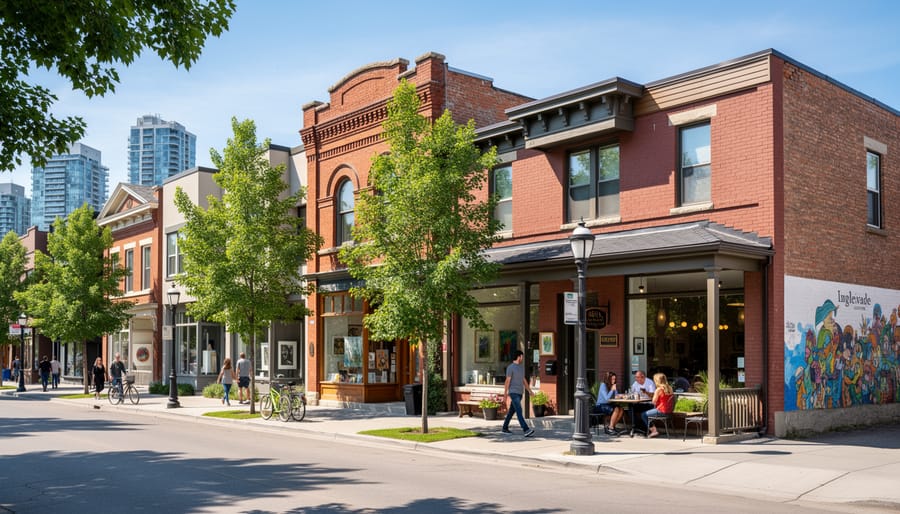
Selling a home in Calgary’s vibrant arts districts isn’t quite like anywhere else in the city, and that’s something to celebrate rather than stress about. Yes, the timeline might stretch a bit longer than cookie-cutter suburban sales, but this patience often pays dividends when you connect with buyers who genuinely understand what makes these creative neighborhoods extraordinary. The right buyer isn’t just purchasing square footage—they’re investing in a lifestyle rich with gallery openings, studio tours, and that unmistakable cultural energy that pulses through these streets.
Embrace the creative process while staying strategic about your approach. Use that extended timeline to showcase your home during local art events, highlight the community connections that make your property special, and trust that buyers who value authenticity will recognize it when they see it. The arts district attracts discerning individuals who appreciate character, history, and creative spirit—qualities that can’t be rushed or replicated.
Remember, finding the perfect buyer for your arts district home is much like the artistic process itself: it requires vision, patience, and belief in the value of what you’re offering. When that ideal buyer walks through your door and their eyes light up at the neighborhood’s creative soul, you’ll know the wait was worthwhile.